
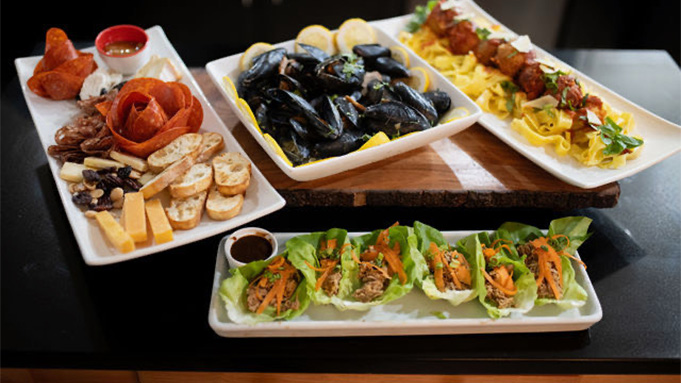
Hosting a small party in a vacation rental can feel like a lot. The kitchen is new, you do not know the tools, and you still want the food to be good. Maybe you are planning a birthday, a small family dinner, or a gathering after a day out. The trick is to keep things simple and plan ahead. You do not need fancy dishes. You need food that is easy to cook, easy to serve, and safe to eat. This article shows you how to check the kitchen, choose the right menu, order the right amount, set up food tables, and keep food safe, all in clear steps that are easy to follow.
Start By Looking Closely At The Kitchen
Before you choose any food, walk around the kitchen and really look at what is there. This quick check saves a lot of stress later. Ask yourself:
How many stove burners are there?
Is there one oven or more?
How big is the fridge and freezer?
Are there large pots, pans, and baking sheets?
Most vacation rentals have:
One four-burner stove
One medium oven
One fridge of about 18–20 cubic feet
That size fridge can usually hold trays for about 15–20 guests if drinks move into coolers. Open drawers and look for basic tools:
Cutting boards
Sharp knives
Mixing bowls
Measuring cups
If something important is missing, note it. You can ask your caterer to bring gear or bring a few items from home, like a sharp knife and a big cutting board.
Plan A Menu That Fits Space And Gear
Once you know the kitchen limits, plan food that works inside those limits. Short, simple menus are best. Choose one main “theme” so you do not overload the stove and oven. For example:
Taco bar: meat, beans, rice, salsa, and toppings
Pasta night: two sauces, salad, garlic bread
Brunch: eggs in pans, pancakes, fruit, yogurt, and granola
Pick dishes that:
Can be cooked ahead and held warm
Do not need last-second frying
Fit in normal trays and pans
Good choices are baked pasta, shredded chicken, pulled beef, chili, and roasted vegetables. These can stay warm in:
Chafing dishes with fuel
Slow cookers
Electric warmers
Tell your caterer how many burners and oven racks you have. They can choose the right tray sizes and cooking plans so you are not trying to heat four big pans in one small oven at the same time.
Use Easy Numbers To Decide Food Amounts
Food planning feels much calmer when you use simple math. Start with the guest list. Count adults, teens, and kids. Teens often eat close to adult portions. Here are easy rules:
Main dishes at a buffet:
Plan about 1.5 servings per guest.
Example: 20 guests × 1.5 = 30 servings total.
Side dishes:
Offer 2–3 sides (salad, rice, vegetables).
Plan one small serving of each side per guest.
Snacks:
About 30 grams (a small handful) of snacks per person per hour.
Drinks:
Water and soft drinks:
Around 2 cups per guest per hour in warm weather.
Around 1–1.5 cups in cooler weather.
Dessert:
One piece per person plus about 10% extra.
Write these numbers in a simple list and share them with your caterer. This helps them choose tray sizes and avoids both empty dishes and huge piles of wasted food.
Set Up Food Stations To Stop Long Lines
How you place food in the rental affects how guests feel. One long buffet table in a small room often leads to long lines and crowded corners. Instead, use two or three small food stations:
Drinks near the entrance or patio door
Main dishes near the kitchen for easy refills
Dessert on a side table away from the stove
This layout spreads people out and keeps the cooking area open. Use simple paper labels or sticky notes in front of each dish. Add clear notes such as:
“No nuts”
“No dairy”
“Vegetarian”
If there are many kids, make a low kid station with:
Mini sandwiches or sliders
Carrot sticks and cucumber slices
Fruit cups
Small cookies
This stops kids from blocking the main line and helps them choose simple food on their own.
Keep Food Safe With Basic Temperature Rules
Food safety is one of the most important parts of any event. It does not need complex words. Just a few rules help keep everyone well. The “danger zone” for germs is between 5°C and 63°C (41°F to 145°F). To stay safe:
Hot food should stay at or above 63°C / 145°F.
Cold food should stay at or below 5°C / 41°F.
Ask your caterer:
Do you use a food thermometer?
Will hot dishes be in warmers or slow cookers?
How will cold dishes stay chilled?
Try to follow the “two-hour rule”:
Do not leave cooked food out at room temperature for more than two hours.
On very hot days, keep this to one hour.
Keep raw meat away from ready dishes like salad, bread, and desserts. Give each dish its own serving spoon or tongs. Do not let guests use their own forks to take food from trays. Small habits like these stop many stomach issues.
Work With A Local Caterer As A Partner
A good caterer for small groups does more than drop off food. Think of them as a helper who knows what works in tight spaces. When you first talk, share:
Number of guests and ages
Food allergies or strong dislikes
Kitchen photos and any house rules from the rental owner
Ask them for a simple event plan with:
Arrival time
Setup time
Serving window (often 60–90 minutes)
Cleanup time
Be clear about who does what. For example:
Who brings ice and drink tubs?
Who supplies plates, cups, and napkins?
Who handles trash bags and closes the bags at the end?
If your budget is smaller, ask about a “drop-off plus setup” option where they set the food out but do not stay. Clear roles mean less stress and fewer surprises during the event.
Let Food Support The Time With Guests
A small event in a vacation rental does not need to be perfect. It just needs to be safe, simple, and calm. When you check the kitchen, plan a short menu, use easy numbers, space out food stations, and follow basic safety rules, the food quietly supports the time with your guests. The focus stays on talks, laughs, and memories. If you want help, Foodie Girl Flavors LLC offers catering services for small groups in rentals and homes. I can help with menus, safe serving plans, and realistic portions so you can spend more time at the table and less time worrying about the stove.