
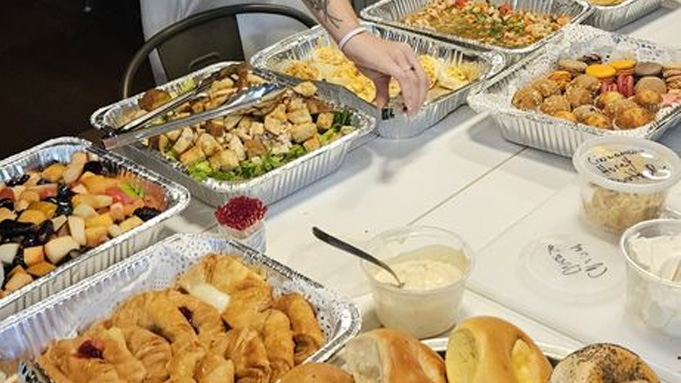
You are not lazy if you are tired of cooking every day. Modern life is busy. You may work, care for kids, help parents, or study. After that, chopping onions can feel like climbing a tall hill. So you grab noodles, chips, or fast food, even when you do not really want them. Over weeks and months, this can affect your energy, weight, and mood. A personal chef is simply a trained cook who plans, shops, and cooks for you on a set schedule. They work in your kitchen, with your tools and your taste. If food feels like a daily problem instead of a daily joy, that is the first sign you might need help.
You Rely On Takeout Almost Every Single Night
If you open food apps more than your fridge, this sign is for you. Takeout and drive-through food are okay once in a while. But when they turn into your main “meal plan,” trouble starts. Many takeout dishes have:
Lots of salt to make food taste stronger
Extra sugar in sauces and drinks
More oil than you would use at home
This mix can raise blood pressure and blood sugar over time. It often leads to weight gain, too. A personal chef can build weekly menus that keep flavor but use safer amounts of salt, sugar, and fat. They might swap:
Deep-fried items for baked or grilled ones
Large piles of fries for roasted potatoes or veggies
Huge drink cups for water with lemon or fruit
You still enjoy tasty meals, but your body gets better fuel instead of constant fast food.
Your Schedule Is Packed From Morning To Night
You wake up, rush out, and the day does not slow down. Work, kids’ events, chores, traffic, messages, and calls all want a piece of you. By the time you think, “What’s for dinner?” it is already late. Cooking then feels impossible.
A personal chef can cook several meals in one visit. This is called batch cooking. Here is how it usually works:
The chef plans a menu with you
They shop for fresh ingredients that week
They come to your home and cook many meals at once
They cool, pack, and label each meal with clear names and dates
Food safety rules say cooked food should go into the fridge within two hours. This slows bacterial growth. Most cooked dishes stay safe in the fridge for three to four days when stored in shallow containers. You just reheat and eat. Your time goes to people and tasks that need you most, not to last-minute cooking.
Different Diet Rules Make Family Meals Hard
One person wants low carb. Someone else cannot eat gluten. A child is picky and will only eat simple food. Making one dish that fits all of this can feel like a puzzle you never solve. So you either cook many small meals or give up and serve the same safe dish every night.
A personal chef is used to this problem. They often build “base plus add-ons” meals. For example:
Base: a tray of roasted veggies and seasoned chicken
Add-on for low carb: extra greens instead of rice
Add-on for kids: a small side of pasta or bread
Add-on for gluten-free: rice instead of regular pasta
The core of the meal stays the same, but small parts change. This saves time and still respects each person’s needs. The chef can also read labels to avoid common triggers like wheat, nuts, or dairy when needed. Your table becomes one shared meal again, not four separate ones.
Health Issues Mean Food Choices Really Matter
If you live with high blood pressure, diabetes, or heart concerns, what you eat matters a lot. Doctors often say, “Eat less salt and sugar,” but turning that into real meals every day is hard. You may not know which recipes are safe or how to change your old favorites.
Many personal chefs study basic nutrition and food safety. They can:
Use herbs, garlic, and citrus to add flavor instead of lots of salt
Choose lean meats like chicken breast, turkey, or fish more often
Limit sweet sauces and desserts to small, smart amounts
Keep an eye on portion size so plates are not too large
A simple rule many people follow is a plate with half veggies, one quarter protein, and one quarter carbs like rice or potatoes. A chef can plan around this idea while still making food you enjoy. They do not replace your doctor, but they help you follow medical advice in a clear, practical way at home.
Grocery Stores And Meal Prep Drain Your Energy
Some people like reading labels and looking for deals. For others, the store feels noisy and stressful. You may rush, forget items, or buy random things that do not fit together. Then you get home and still have to wash, chop, and cook everything.
A personal chef can handle this whole chain of work. They often:
Write a clear shopping list for the week
Check what you already have to avoid buying doubles
Look at “use by” dates to keep food safe and fresh
At home, they wash produce under running water, cut food on clean boards, and keep raw meat away from ready-to-eat items. This lowers the risk of germs spreading. They also follow fridge rules, like keeping it at or below 40°F (4°C). You skip long lines and heavy bags. Your fridge becomes a place full of ready meals, not random items you forgot you purchased.
Food Waste Piles Up In Your Kitchen Weekly
Do you often throw out slimy lettuce, old berries, or fuzzy leftovers? That is money and food going into the trash. Food waste usually happens when there is no clear plan. You might buy with good intent, but never cook it in time.
Personal chefs are very careful about waste. They:
Plan meals before shopping, not after
Use “first in, first out,” meaning older items get used first
Turn extra veggies into soups, stews, or fried rice
Freeze extra servings with labels like “chili, made Monday.”
Most cooked dishes are safe in the freezer for two to three months if sealed well. Labels with the date help you know what to eat first. With a chef, the back of your fridge stops being a graveyard for forgotten food. Your trash can gets lighter, and your wallet gets a small break, too.
Hosting Guests Leaves You Stuck In The Kitchen
You invite friends over and plan a nice evening. But on the day itself, you are cooking, checking the oven, washing dishes, and pouring drinks. By the time you sit down, you feel more tired than happy.
A personal chef can turn this around. Before your event, they:
Ask about guests’ tastes and food allergies
Suggest a simple, clear menu that fits your budget
Plan the order of cooking so dishes are ready together
During cooking, they follow safe temperatures, like cooking chicken to at least 165°F (74°C) inside. They keep hot food above 140°F (60°C) and cold food under 40°F (4°C). This helps keep everyone safe from foodborne illness. While they handle the timing and heat, you can sit with your guests, talk, and enjoy the visit. The night becomes about people, not pots and pans.
You Love Good Food But Not Daily Cooking
Maybe you enjoy food shows and photos of tasty dishes. You like the idea of new flavors, but do not want to stand in the kitchen every evening. Long recipes with many steps turn you away. So you eat the same simple meals or order out again.
A personal chef lets you enjoy variety without extra work. They can:
Suggest new dishes based on foods you already enjoy
Use spices and sauces in careful amounts so flavors stay balanced
Rotate menus so the same meal does not appear every few days
Some chefs will even teach you small tricks if you ask, like safe knife skills or how to cook rice that is not sticky or mushy. You can choose to learn a little or just enjoy the meals. Either way, food feels fun again instead of like a chore.
Let A Personal Chef Make Life Easier
If many of these signs sound like your life, a personal chef could be a smart, calm change. You get steady home-cooked meals, safer food choices, and more free time. Stress around meals drops because planning, shopping, and cooking are handled for you. Foodie Girl Flavors LLC can step in as your personal chef and cook in your kitchen with your tastes and needs in mind. With Foodie Girl Flavors LLC handling your meals, you can simply heat, eat, and enjoy the people and things you care about most.
